



















Headphones
Products
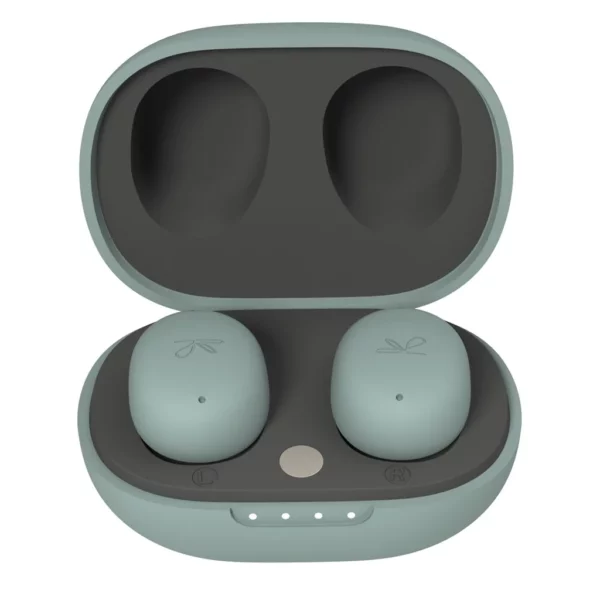
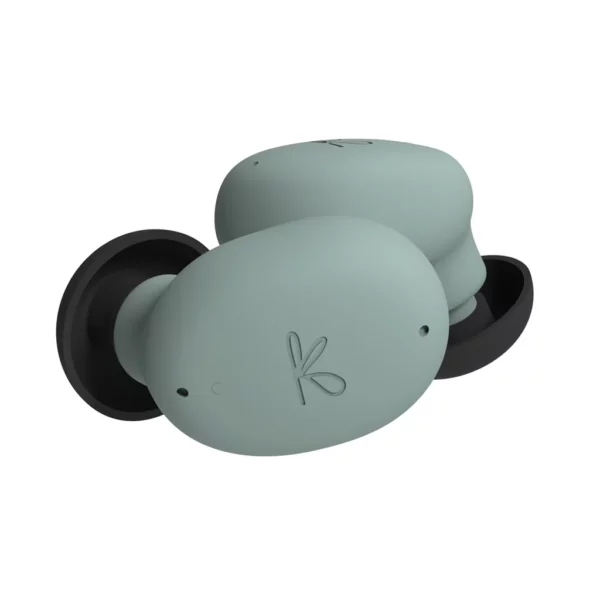
aPop
The aPop are wireless in-ear headphones with ENC for clear phone calls and Bluetooth for a stable connection. Up to 20 hours of playback time thanks to the Qi charging case, IPX4 protection against sweat and splashes. Housing made from 100 percent recycled plastic. Includes a USB-C cable.
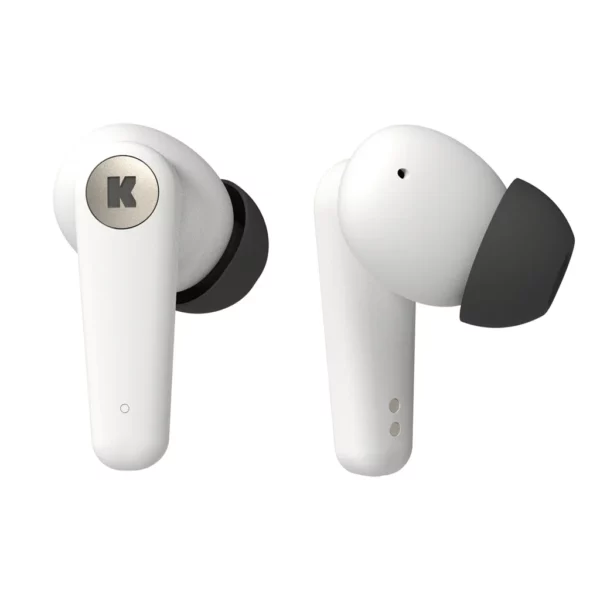
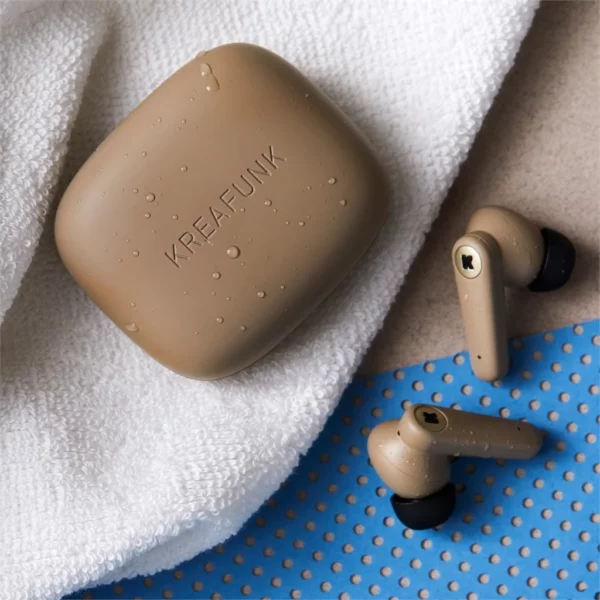
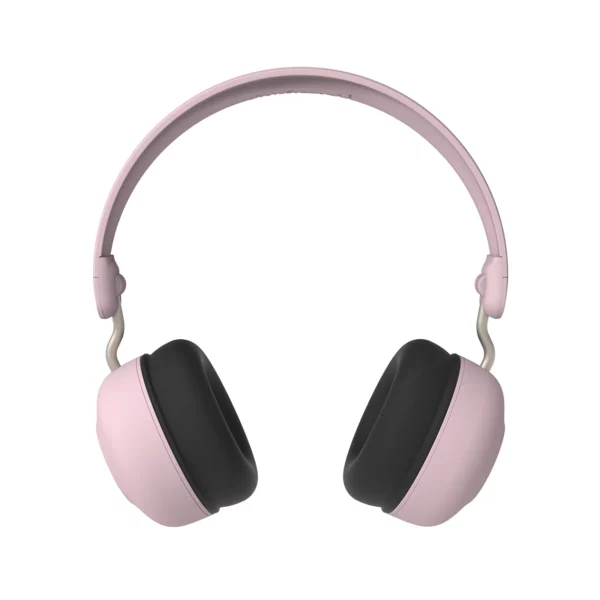
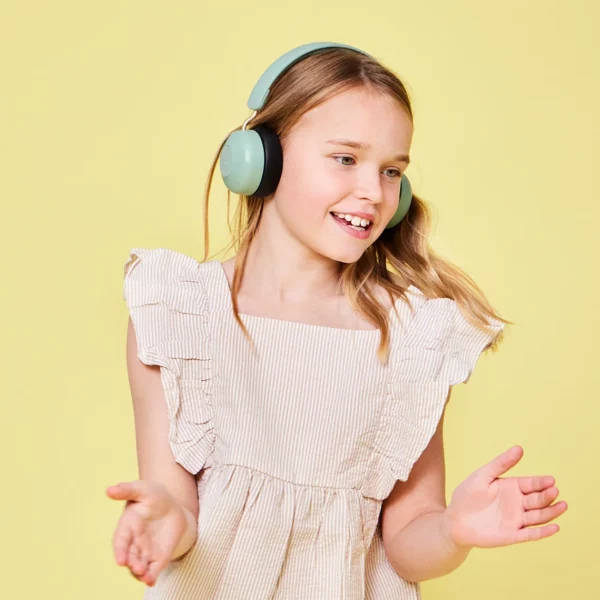
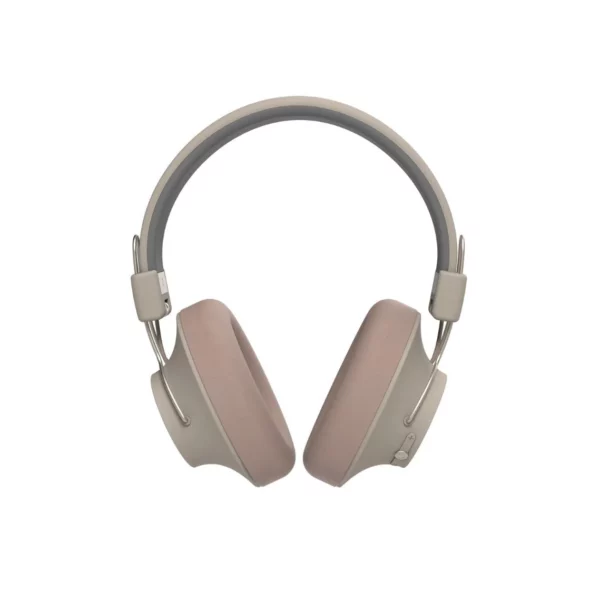
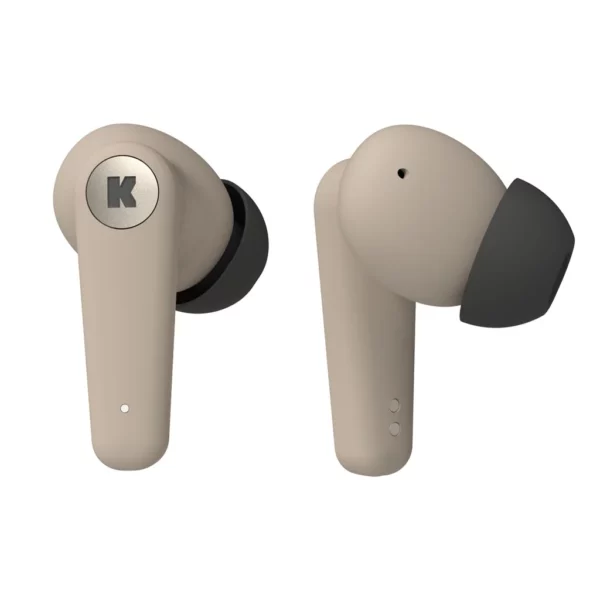
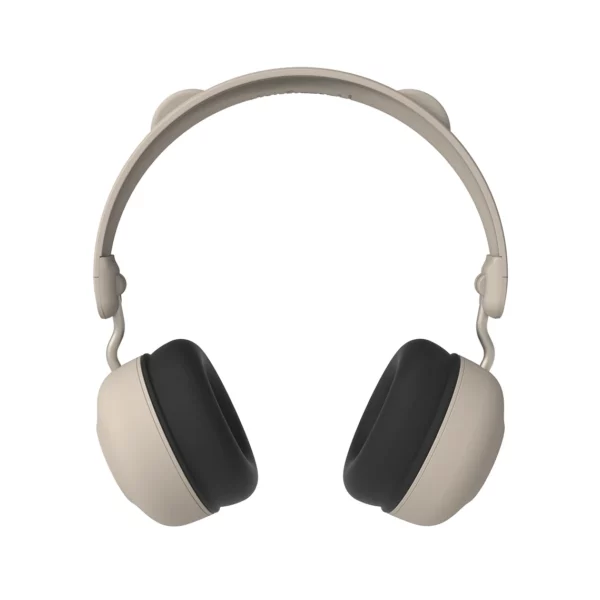
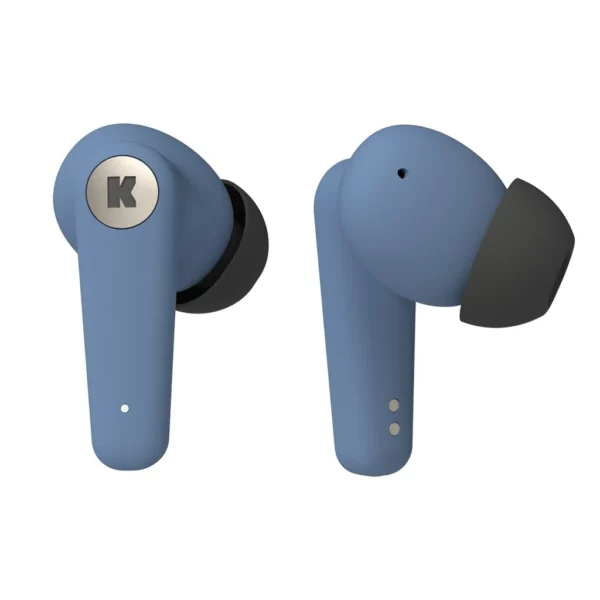
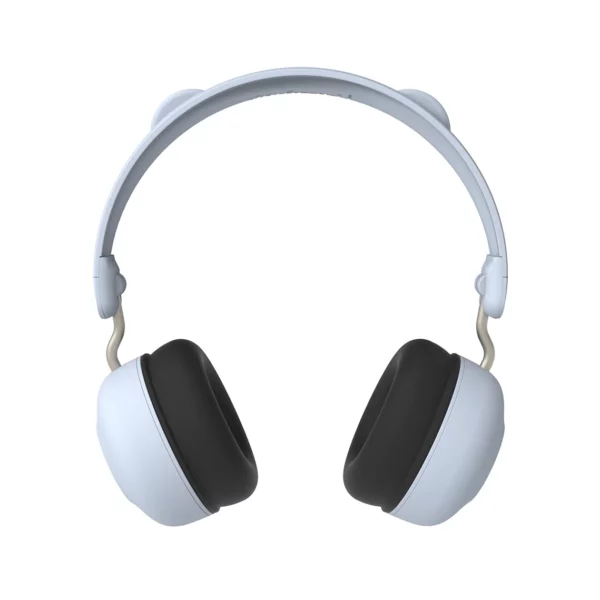
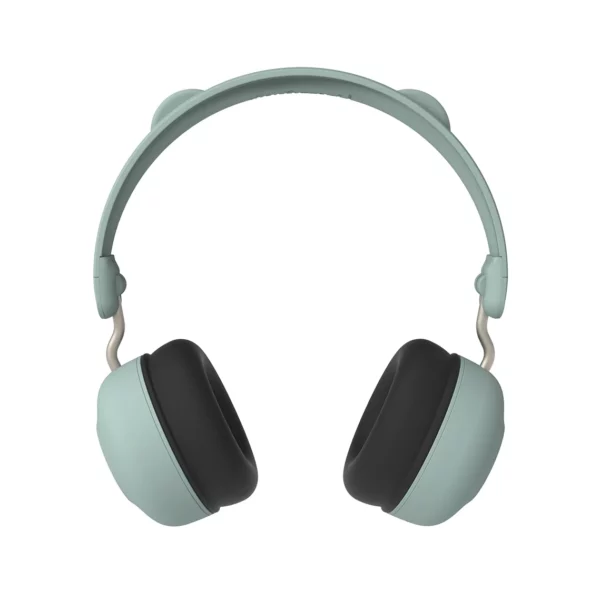
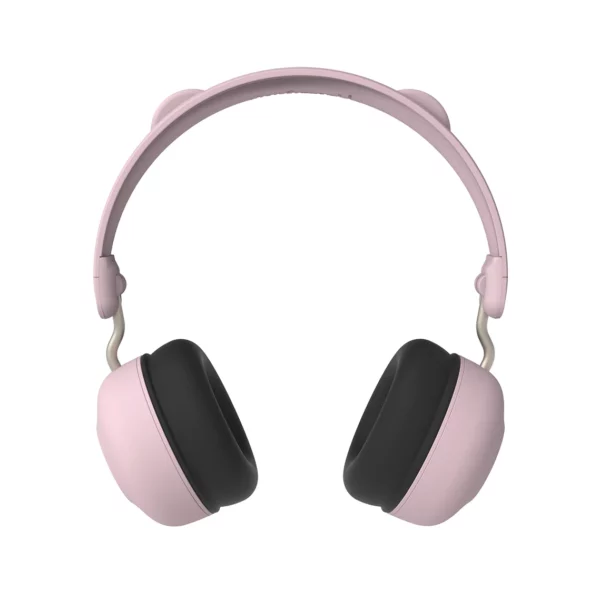
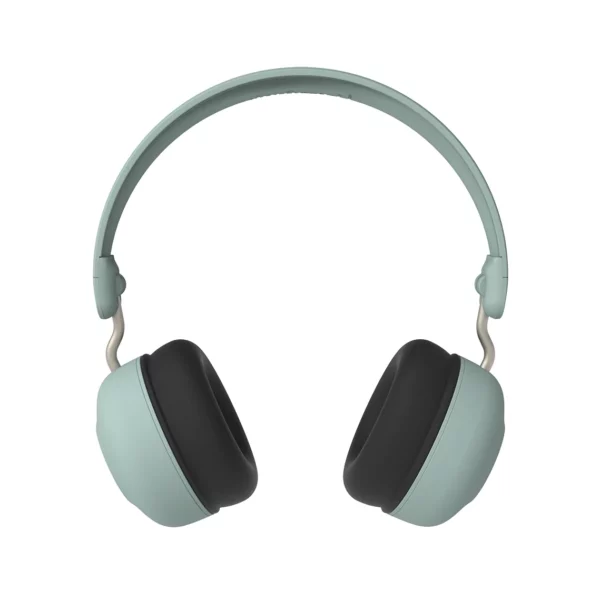
Headphones come with you on the commute, at the office and when you exercise. Which ones suit you depends mainly on the type and where you wear them.
Which type suits you?
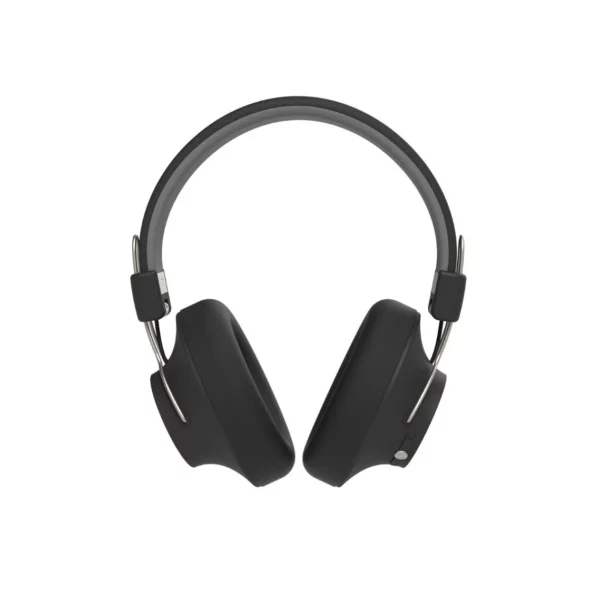
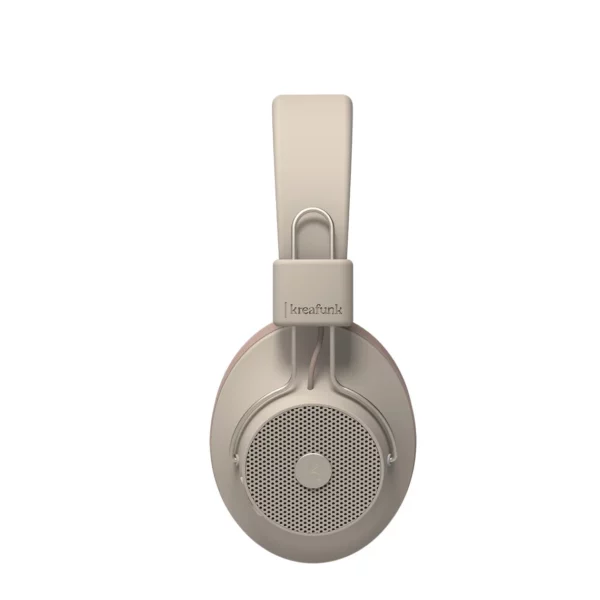
In-ear for commuting and sport, over-ear for long listening sessions in peace and quiet. In-ear headphones sit in the ear canal and are small and light. On-ear models rest on the ear; over-ear models enclose it completely and block out more ambient noise than on-ear.
| Type | Good for | Check |
|---|---|---|
| In-ear | commuting, sport, travel | well-fitting ear tips |
| On-ear | short trips, office | pressure on the ears |
| Over-ear | long hours, quiet | weight, cushions |
How loud is too loud?
A common rule of thumb is 60/60: no more than 60 percent of the volume, for no more than 60 minutes at a time. With noise cancelling you need less volume, because less outside noise gets through. Children’s headphones often have a fixed built-in limit.
What should you look for when buying?
How you will use them. For commuting, active noise cancelling (ANC) matters; for sport, a secure fit and protection against sweat, such as IPX4. If you make a lot of calls, look for microphones that filter out background noise.
For in-ear models, see In-Ear; for over-ear, Over-Ear; for speakers, Speakers.
Frequently asked questions
ANC reduces ambient noise using anti-noise. ENC filters background noise out of your microphone, so others hear you better on calls. Many headphones have only one of the two.
Only if they support multipoint. They then stay connected to, say, your laptop and phone and switch over when a call comes in. Without multipoint, you switch the connection by hand.
With your own phone in flight mode with Bluetooth switched on, which most airlines allow. For the in-flight entertainment you usually need a cable with a jack plug or a small Bluetooth transmitter, because many seats only have a headphone jack.
Still unsure? We will reply within 24 hours. Write to us directly.