




















Luggage & Travel Bags
Products
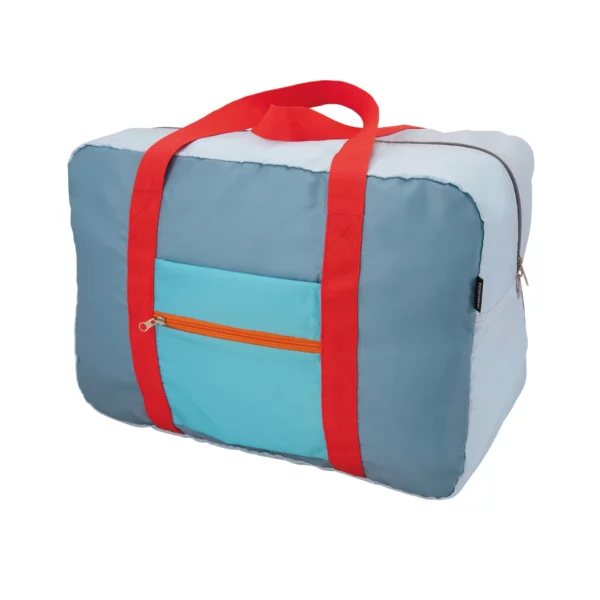
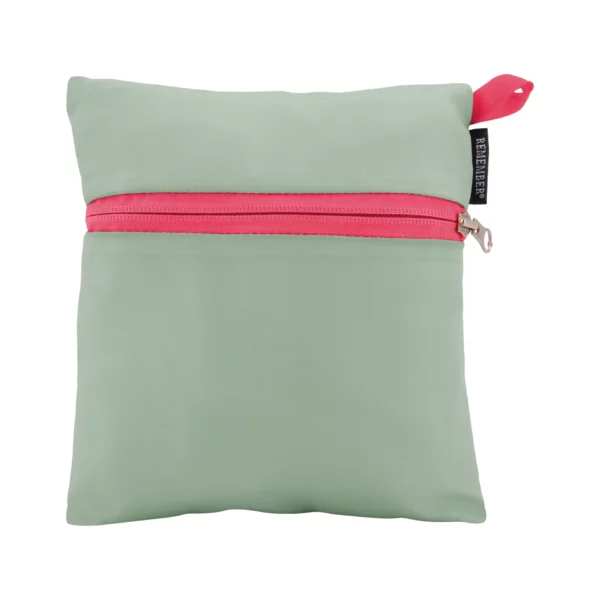
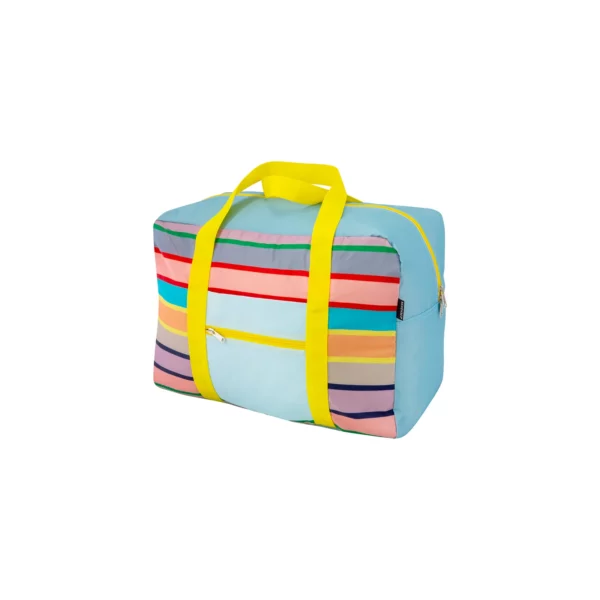
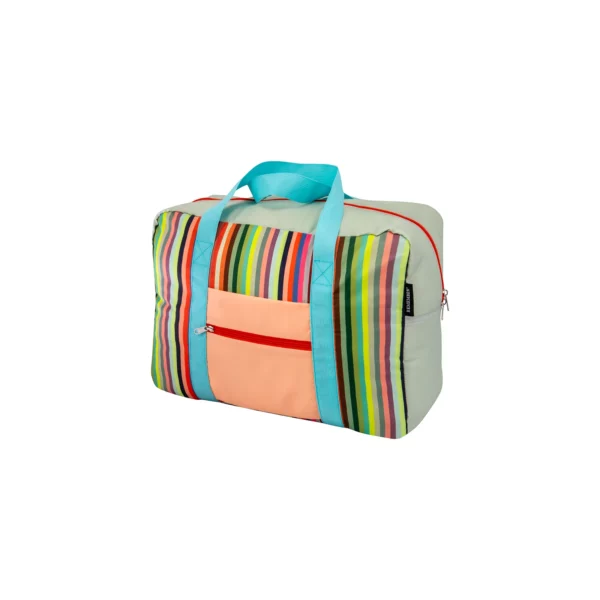
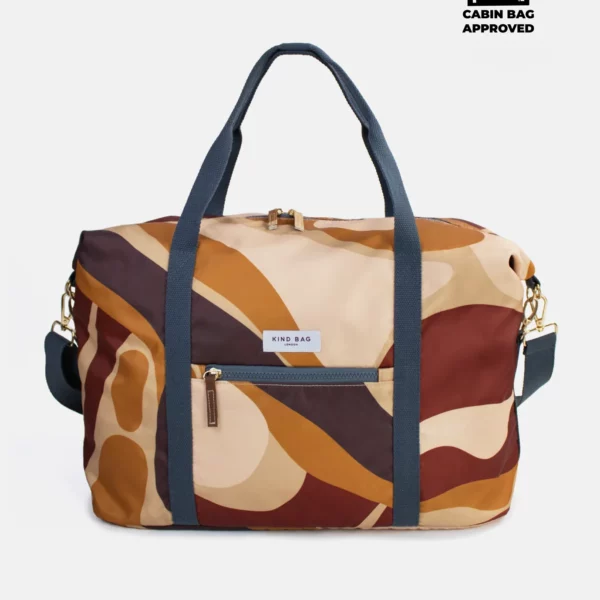

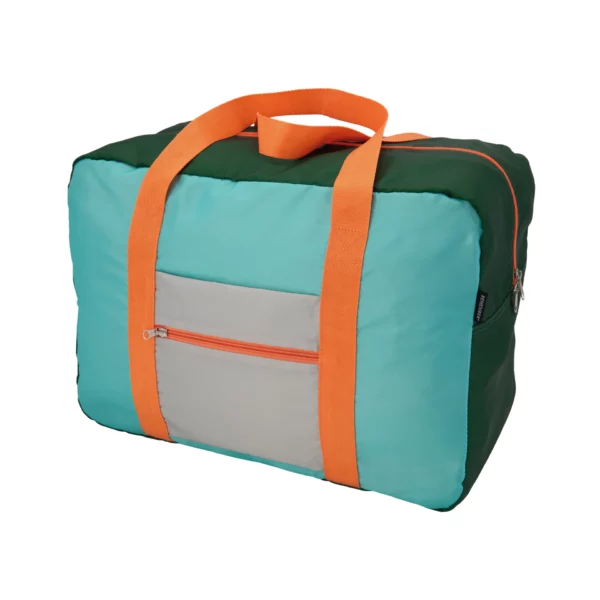
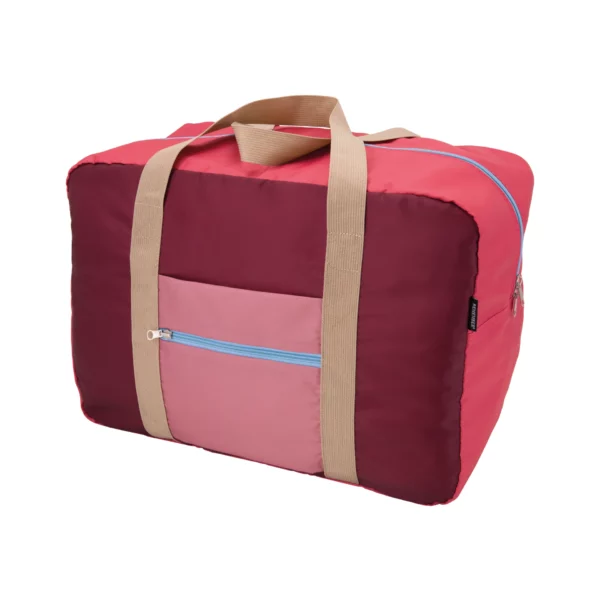
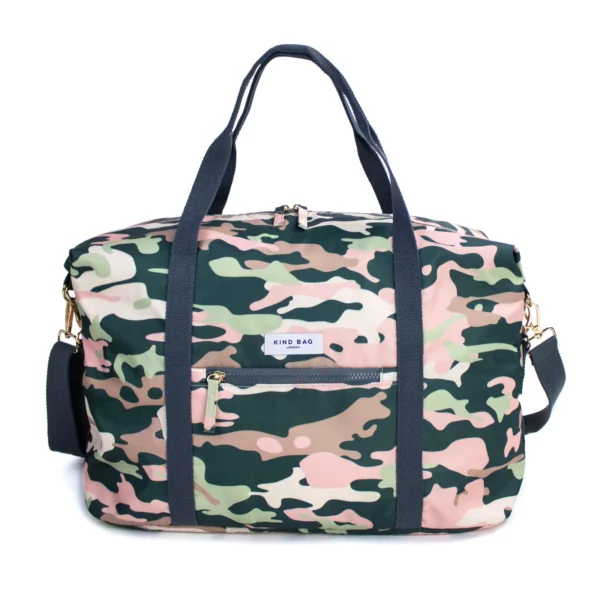
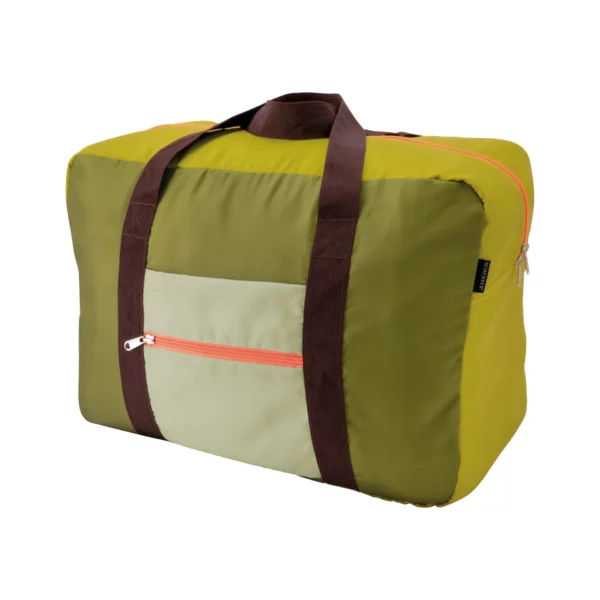
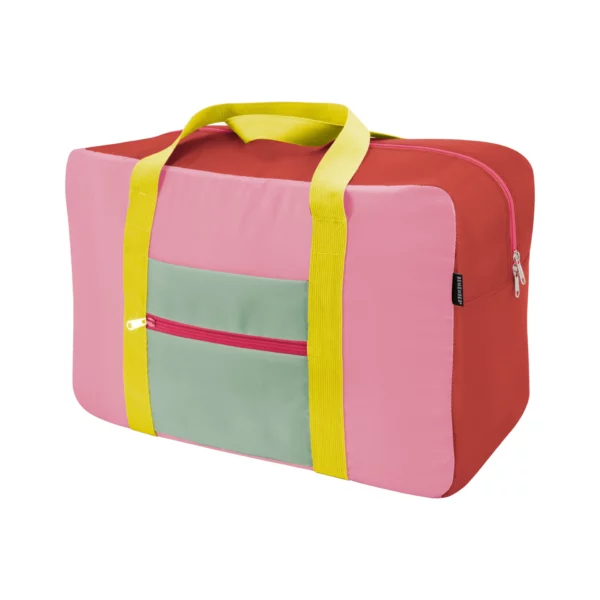
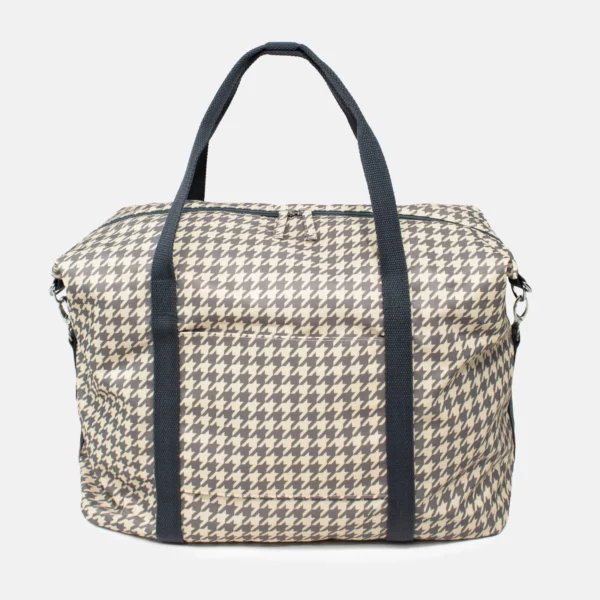
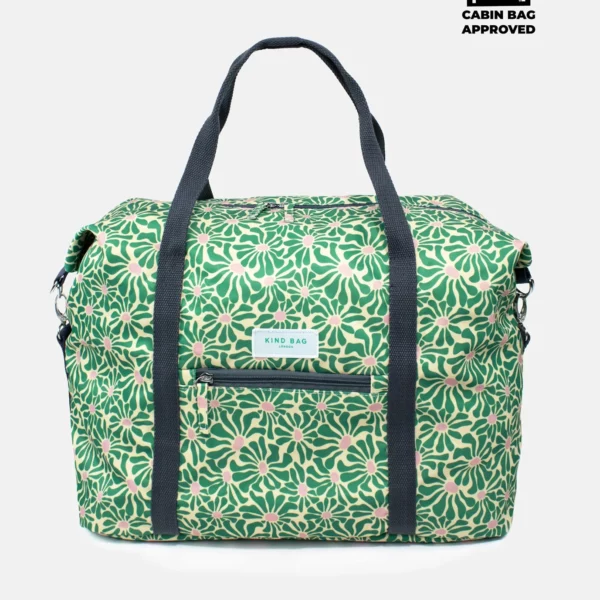
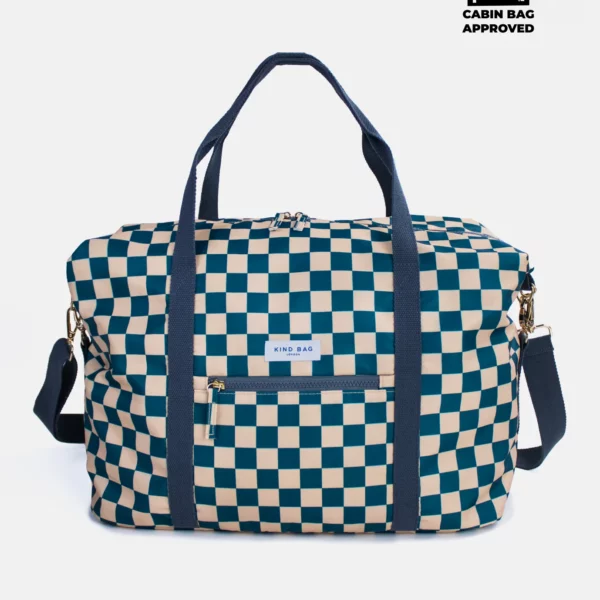
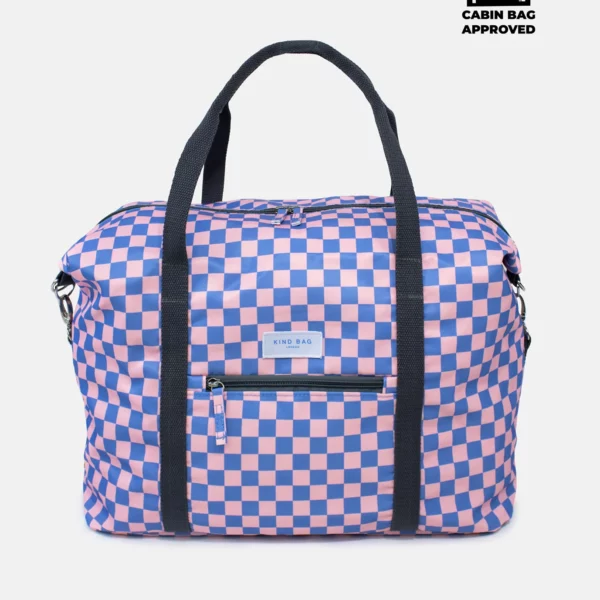
Which luggage suits you depends mostly on how you travel. If you fly, you plan around the airline’s sizes. By train or car you have more freedom, and what matters more is how much you want to carry.
Suitcase or travel bag?
A suitcase when the luggage gets heavy and there are long walks through stations and airports: the wheels carry the weight and the rigid shape protects what’s inside. A travel bag weighs less, gives a little and still fits into a full luggage rack or a full boot. In return, you carry it.
| Type | Good for | Keep in mind |
|---|---|---|
| Hard-shell suitcase | flights, fragile things | needs room to open |
| Soft-sided suitcase | lots of luggage, things to hand | protects fragile things less |
| Travel bag | train, car, short trips | you carry it |
| Foldable bag | extra luggage for the way home | hardly any padding |
What size can go in the cabin?
Whatever size your airline allows for your fare. Sizes differ between airlines, often between fares of the same airline, and they change. So check them on the airline’s website before every booking. The whole piece is measured, wheels, handles and full outer pockets included. Many airlines also set a maximum weight.
What should you look for when buying?
The empty weight. Every kilo the suitcase weighs itself comes off your baggage allowance. As for wheels: four let the case roll upright beside you, two cope better with cobblestones and kerbs.
What keeps things tidy inside is under Organisers & Packing Aids.
Frequently asked questions
With wheels and handle. Stand the suitcase on the floor and measure the greatest height, width and depth, including wheels, handles and filled outer pockets. Compare these three figures with your airline's sizes.
Heavy things at the bottom by the wheels, shirts and blouses flat on top. Roll T-shirts, jumpers and trousers; that saves space and leaves fewer creases than folding them. Fill the gaps with socks and underwear so nothing shifts on the way.
Report it at the airport before you leave the baggage hall, at the baggage services desk, with photos of the damage. On most international flights you must report damage to checked baggage to the airline in writing no later than seven days after receiving it (Montreal Convention).
Wipe a hard shell with a damp cloth and a little mild washing-up liquid; scratches stay, dirt doesn't. Brush off fabric suitcases and bags and treat stains with a damp cloth, and only put them in the machine if the label allows it. After a trip, clear hair and threads from the wheels so they run more quietly.
Still unsure? We will reply within 24 hours. Write to us directly.